Introduction
In fact, 76% of consumers look up a company’s online presence before visiting or calling. They read Google and Yelp reviews, check social media, and even search the contractor’s name to see past work or any red flags.
Studies show as many as 93% of consumers say online reviews influence their purchasing decisions, and 88% trust online reviews as much as personal recommendations

Key Takeaways:
- Your online reputation directly affects customer trust and choice. Most clients thoroughly vet contractors online – 98% of people report relying on online reviews when making purchase decisions. A strong online reputation instills confidence, whereas a negative or absent one raises doubts.
- Even a few bad reviews can cost you business. Negative online content (e.g. low-star reviews or complaints in forums) deters potential customers – research shows just 1–3 bad reviews can drive away 67% of shoppers. It’s crucial to identify and respond to such issues promptly.
- Regularly auditing your online presence helps you stay in control. An audit means searching for your name and business on Google, review sites, and social media to see what others see. This lets you catch inaccuracies, outdated info, or damaging content and address them proactively.
- Responding to customer feedback is part of reputation management. Don’t just observe – engage. Replying to reviews (even negative ones) politely and helpfully can improve public perception of your business. In fact, 71% of consumers say their view of a brand improves after seeing it respond to reviews.
- A positive reputation yields real benefits. Contractors with great reviews and a polished online image tend to attract more clients. People are more likely to hire a contractor with high ratings and recent positive testimonials, and strong reviews correlate with higher revenue. Investing time in your online reputation pays off in more leads and projects.
Why Your Online Reputation Matters
Steps to Audit Your Online Reputation
- Search Your Business Name on Google and Bing: Open an incognito/private browser window (to avoid personalized results) and Google your company name, your own name (if you’re a solo contractor), and common variants. Look at the first few pages of results. Note what comes up: your website, social media pages, news articles, business directory listings, etc. Pay special attention to any negative items – for example, bad reviews, forum discussions, or local news stories.
Also search Google Images for your business name or logo to ensure no concerning photos are tied to your brand. Make a list of any problematic or inaccurate content you find. If outdated information or an old company address shows up, that’s something to correct. If a negative article or blog post appears, you’ll need a strategy to respond or push it down in results (more on that later).
- Audit Online Review Sites: Check all major review platforms where clients might be leaving feedback. Start with Google Reviews (via your Google Business Profile) since these often appear first in search results. Next, check Yelp, Better Business Bureau, Angi (Angie’s List), HomeAdvisor, or industry-specific sites that list contractors. Don’t forget Facebook recommendations if you have a business page, as many people ask for or leave reviews on social media.

For each platform, note your overall rating and read the most recent reviews. Are there any recurring complaints? Any unresolved one-star reviews? Also note positive reviews – they are assets you want to keep visible. Consistency matters: if you have a 4.5★ rating on one site but a 2★ on another, you’ll know where to focus improvement. Remember that nearly all consumers (97%) now read reviews for local businesses, so this step is crucial.
- Examine Your Social Media and Online Mentions: Beyond dedicated review sites, see how your business is discussed on social media platforms or forums. Search for your company name on Facebook, Twitter (X), LinkedIn, or Instagram to find any public mentions. Local community groups (on Facebook or Nextdoor) often have posts discussing experiences with contractors – these can surface praise or criticism that wouldn’t appear in a formal review. You might discover someone recommended you in a neighborhood group, or conversely, a customer vented about an issue.
Also check if you have unclaimed “community” pages; for example, Facebook may have generated a page for your business if people checked in or mentioned it, and you’ll want to claim and manage it. If you or your employees maintain personal social media related to work, review those profiles too (ensure there’s nothing unprofessional that a client could stumble upon). Essentially, anywhere online that your business name appears – you want to know about it.
- Verify Your Business Information Across the Web: As you audit, take note of your NAP – Name, Address, Phone number – and other details wherever they appear. Ensure that your contact information and business details are consistent on all sites and directories. Inconsistent or incorrect info (like an old phone number, or differing business hours on different sites) can hurt both customer trust and your local SEO.
Create a checklist of major listings to verify: Google Business Profile, Yelp, BBB, industry directories, your website’s contact page, etc. Also check that any description of your services is up-to-date and accurate. A big part of online reputation is professionalism – a contractor with mismatched information online can appear sloppy or even untrustworthy. So, if you find any errors (e.g., an old address still on Yelp), plan to update them promptly.
- Evaluate the Overall Sentiment and Identify Key Issues: Step back and assess what you found. Ask yourself: if I were a potential customer and I saw all these search results, reviews, and posts, what impression would I have? Is the overall sentiment positive, or are there red flags? Identify the top reputation risks you discovered – perhaps a scathing review on Google that you never responded to, or a negative blog post that shows up on page one of Google results.
Also note any gaps: maybe you realize you have few reviews compared to competitors, or your business lacks a social media presence entirely (which can be a missed opportunity to showcase your work). Prioritize the issues: which ones could be most harmful to your business? Those (e.g. an unresolved public complaint) should be addressed first. Less critical findings (like adding more project photos to your Facebook page) can be scheduled for later. By the end of the audit, you should have a clear picture of your online reputation’s health and a list of action items.

Taking Action: Improving Your Online Reputation
- Respond to Negative Reviews and Feedback: If you identified negative reviews or comments, plan a response for each. Craft thoughtful, professional replies that address the customer’s concerns. Never lash out or get defensive – remember, your response will be public for other potential clients to judge your character. Instead, apologize if appropriate and offer to make things right or discuss the issue offline.
A good response can actually turn things around; many customers will update a review if their problem gets solved. And even if a disgruntled person won’t relent, new prospects will see that you tried to resolve the issue professionally, which counts in your favor. This isn’t just theory: studies in the hospitality industry found that businesses responding to reviews saw improved ratings subsequently. Likewise, a marketing survey noted 71% of consumers gain a better impression of a brand that answers reviews (versus one that stays silent). The takeaway – responding kindly is well worth it.
- Correct Any Factual Errors or Inconsistencies: During your audit you might have found old or wrong information (e.g., an outdated address, wrong license number, old employee names, etc.). Immediately update these across platforms. Claim your listings if you haven’t already, so you have control to edit details. Consistency in business information not only prevents customer confusion, but also can improve your local search rankings.
If there are negative items based on false information (for example, a news story that is misleading), you may consider reaching out to the site owner to request a correction or at least ensure your side of the story is visible. For most contractors, though, the key is to have accurate contact info and service descriptions everywhere online.
- Remove or Bury Irrelevant/Unflattering Content (If Possible): If you discovered embarrassing personal content or an old social media post that doesn’t reflect well on your professionalism, delete it or adjust privacy settings.
For example, perhaps years ago you commented angrily on a forum under your real name – if it’s still searchable, see if you can delete the comment or anonymize it. For content that you can’t delete (say, someone else’s blog criticizing your work), your strategy should be to “bury” it by creating more positive content. This could mean publishing new project case studies or encouraging happy clients to leave fresh reviews (which can push the negative piece lower in search results over time). In extreme cases of false, defamatory content, legal counsel may advise next steps, but typically the solution is to dilute negatives with lots of positives.
- Encourage Positive Reviews and Testimonials: A great way to improve your online reputation is to actively gather more positive feedback. After successful projects, politely ask satisfied clients if they wouldn’t mind leaving a review on your Google listing or other relevant sites. Many people are happy to do so when asked, and a steady influx of good reviews will boost your overall rating and credibility.

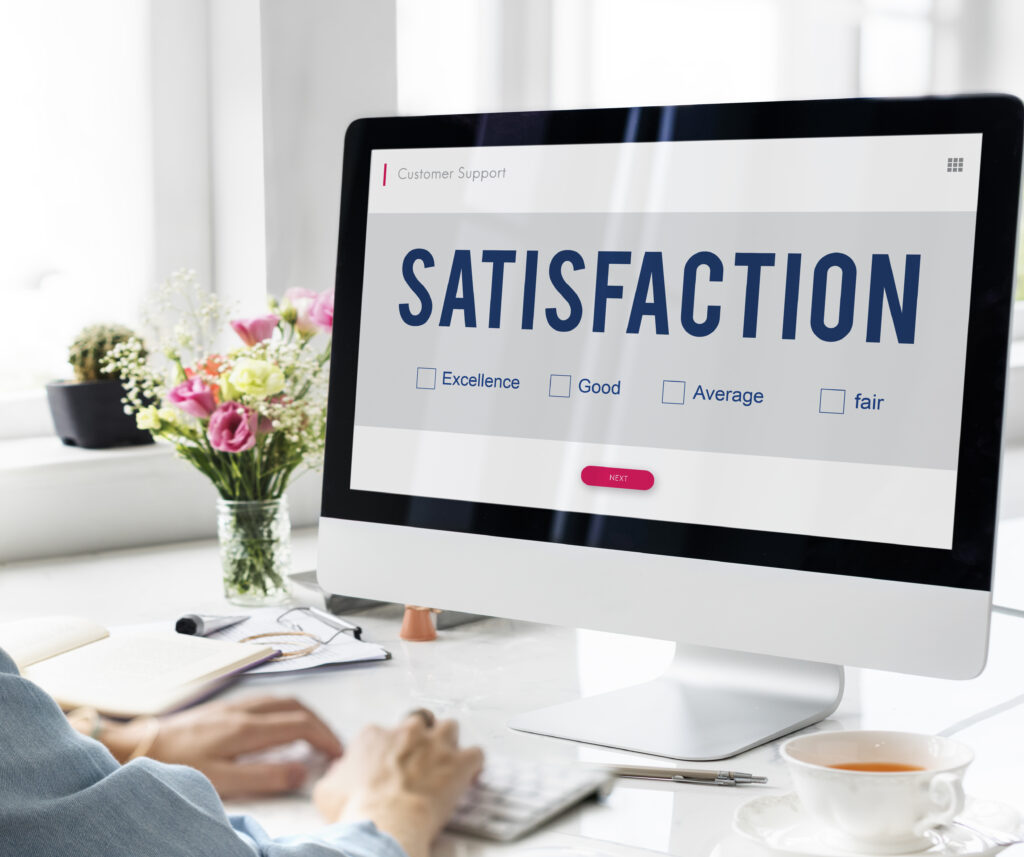
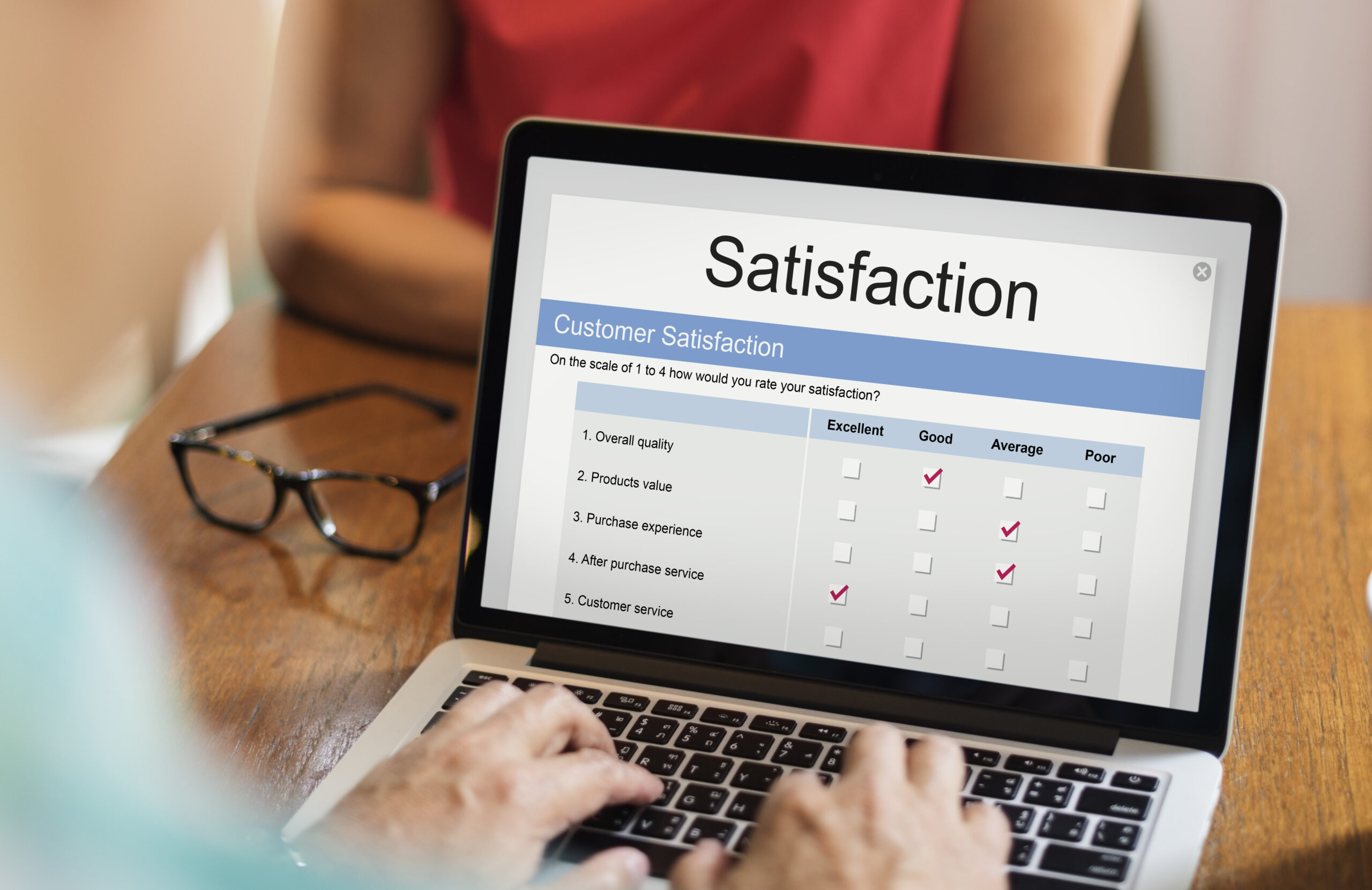
Online satisfaction rating Be sure to follow each platform’s guidelines (for instance, Yelp discourages directly asking for reviews, but Google and others are fine with it). You can also showcase testimonials on your own website or social media. Not only do positive reviews improve how prospects see you, but volume matters – having a larger number of reviews makes your rating more trustworthy. (Consumers tend to trust a 4.5★ average across 50 reviews more than a 5★ with only 2 reviews.) By cultivating feedback, you strengthen your reputation organically.
- Monitor Your Reputation Regularly: An audit isn’t a one-time fix; online reputation management is an ongoing process. Set up a routine to keep tabs on your digital presence. One simple and free method is to use Google Alerts for your name and business name – this will email you whenever new content about you appears online. “You can’t repair a problem you don’t know you have,” as one expert aptly said, so monitoring is vital.
Check your major review sites at least weekly or use a centralized reputation management tool if available. This way, you’ll catch new reviews or mentions quickly and can respond or react as needed. Regular mini-audits (say, a quick monthly scan of search results and reviews) will ensure you’re never blindsided. Remember, online reputation is somewhat dynamic – one viral comment or a single unhappy customer can change the narrative if you’re not paying attention. Staying vigilant will help protect the positive image you’re working to build.
Conclusion
Crucially, it gives you the chance to address negatives head-on – whether that means responding to a bad review, updating incorrect information, or seeking more positive testimonials to bolster your image.
In sum, think of reputation auditing as regular maintenance for your business, much like servicing equipment or updating your skills. By keeping your online presence polished and responsive, you make it easy for future clients to choose you with confidence. Stay vigilant, engage with your audience, and your good work will continue to speak for itself – both in person and on the web.
FAQs
Q1: How often should I check my reputation?
Do a full audit 1–2 times a year, but monitor monthly. Set Google Alerts to avoid surprises.
Q2: Which platforms matter most?
Google search & reviews, Yelp, BBB, Houzz, Facebook, LinkedIn, and local boards like Nextdoor.
Q3: How do I handle bad reviews?
Stay calm, reply politely, and offer to fix it. If it’s fake or abusive, flag it.
Q4: Can I pay to remove bad reviews?
No. Buying or scrubbing reviews is risky and often illegal. Earn real positives instead.
Deliver great work, ask happy clients for reviews, keep profiles updated, share projects, and engage online.