

A contractor newsletter transforms past clients into repeat customers and referral sources when executed with strategic content, consistent delivery, and clear calls-to-action. This guide provides actionable steps to build a newsletter that generates measurable business results through relationship nurturing and value-driven communication.
Most contractors struggle to maintain visibility with past clients after project completion. A well-crafted newsletter solves this problem by keeping your business top-of-mind, demonstrating ongoing expertise, and creating multiple touchpoints that lead to referrals and repeat work. The difference between a newsletter that sits unread and one that converts lies in understanding what your audience values and delivering it consistently.
Building a contractor newsletter isn’t about flooding inboxes with promotional content. It’s about establishing yourself as the trusted expert clients turn to when they need construction advice, project ideas, or contractor recommendations for friends and family.
Key Takeaways: What Makes a Contractor Newsletter Convert
- Value-first content that educates clients about home maintenance, seasonal preparation, and project planning builds trust more effectively than promotional messaging
- Strategic frequency of monthly or bi-monthly sends maintains visibility without overwhelming subscribers or creating content burnout
- Visual project showcases with before-and-after photos demonstrate capabilities and inspire readers to consider their own renovation needs
- Clear conversion pathways through consultation offers, maintenance reminders, and referral incentives turn engagement into revenue
- Mobile optimization ensures readability since over 60% of emails are opened on smartphones
- Segmented content based on client history and interests increases relevance and engagement rates
Why Do Contractor Newsletters Fail to Generate Results?
The majority of contractor newsletters fail because they prioritize company news over client value. Readers don’t subscribe to hear about your team lunch or equipment purchases. They want information that helps them make better decisions about their properties and solves problems they’re actively facing.
Another common failure point involves inconsistent sending schedules. A newsletter sent quarterly becomes forgettable, while one sent weekly can feel intrusive for the contractor space. The sweet spot typically falls between monthly and bi-monthly delivery, creating enough touchpoints to maintain relationships without causing subscription fatigue.
Poor conversion design also undermines newsletter effectiveness. If readers can’t quickly identify what action you want them to take or how to take it, even engaged subscribers won’t convert. Every newsletter needs at least one clear, compelling call-to-action that aligns with your business goals.
What Should a Contractor Newsletter Include?
A converting contractor newsletter balances educational content, project inspiration, practical tips, and strategic business development. The exact mix depends on your specialization, but certain elements consistently drive engagement and conversions across all contractor types.
Educational Content That Positions You as the Expert
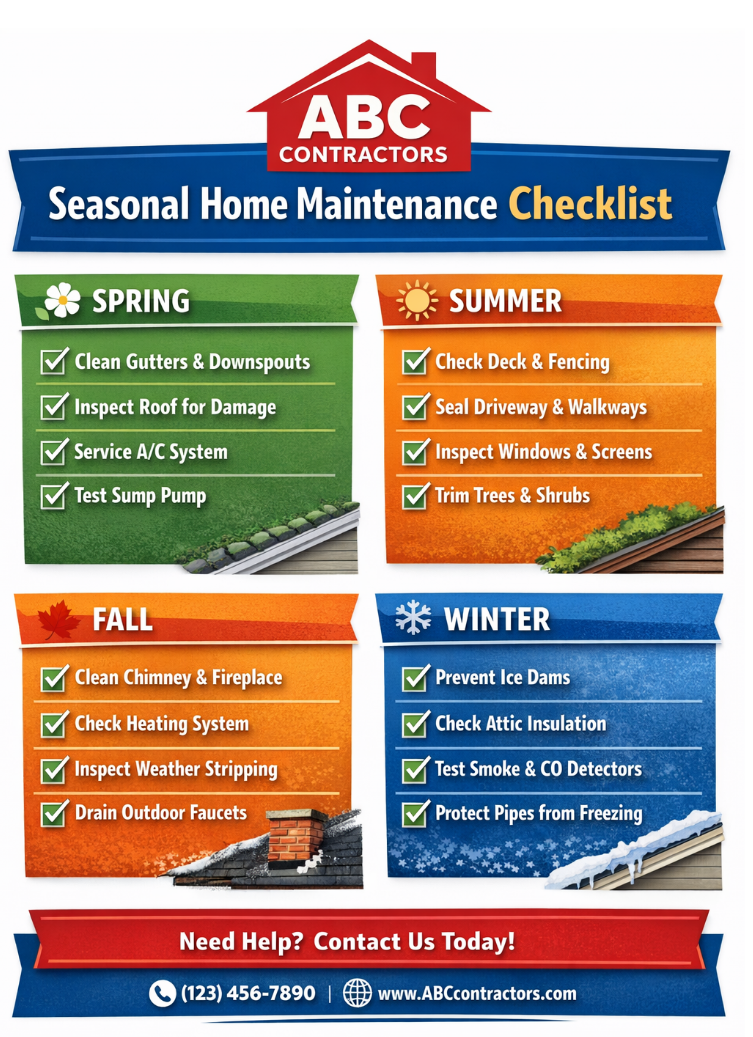
Seasonal maintenance guides provide immediate value to homeowners while subtly highlighting when professional help becomes necessary. A spring newsletter might cover gutter cleaning basics but mention complex drainage issues that require expert assessment. This approach educates while creating natural opportunities for service inquiries.
Project planning content helps clients understand the considerations involved in renovations they’re contemplating. Breaking down the phases of kitchen remodels, explaining permit requirements, or outlining typical timelines for bathroom updates demonstrates your expertise while preparing prospects for smoother project experiences.
Project Showcases That Inspire Action
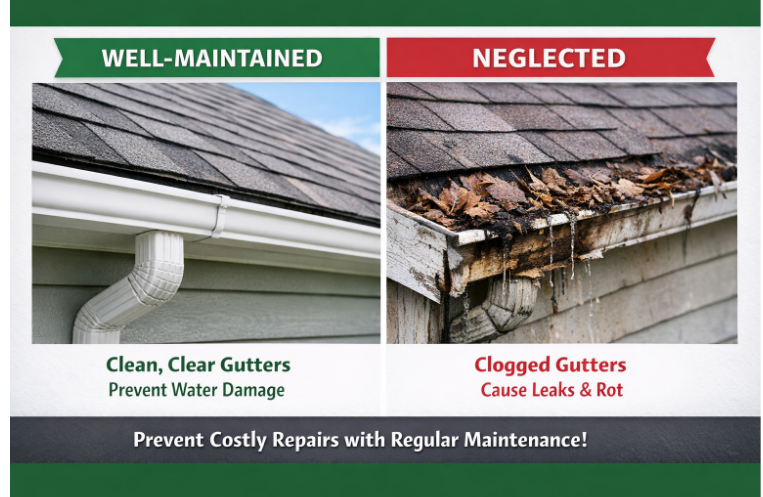
Before-and-after transformations serve multiple purposes in contractor newsletters. They demonstrate capabilities, provide social proof, and most importantly, inspire readers to visualize similar improvements in their own properties. Each showcase should include brief details about challenges overcome, materials used, and project duration.
Client testimonials integrated with project photos add credibility and emotional resonance. A quote about how a kitchen renovation improved family dinners carries more weight than technical specifications alone. These stories help prospects imagine their own positive outcomes.
Actionable Tips Readers Can Implement Immediately
Quick wins create goodwill and demonstrate your willingness to share knowledge freely. A three-step process for testing outlets, a checklist for preparing a home for winter, or signs that windows need replacement provide immediate value without requiring your services.
This generosity paradoxically increases conversion because it builds trust and positions you as someone who prioritizes client success over immediate sales. When readers do need professional help, they remember who provided valuable free guidance.
Strategic Calls-to-Action That Drive Business
Every newsletter needs at least one clear conversion opportunity. This might be scheduling a free home assessment, booking a consultation for a planned project, referring a friend for a discount, or claiming a seasonal promotion on specific services.
The most effective CTAs align with the newsletter’s primary content. If your feature article discusses deck maintenance, your CTA might offer a free deck inspection. This relevance increases click-through rates because the offer feels like a natural next step rather than an unrelated sales pitch.
How Do You Structure a Newsletter for Maximum Engagement?
Newsletter structure significantly impacts whether readers engage with your content or immediately delete it. The first three seconds determine whether someone commits to reading, making your opening crucial for retention and conversion.
The Header: Recognition and Navigation
Your newsletter header should include your logo, company name, and a brief tagline that reinforces your value proposition. Keep this section clean and recognizable so subscribers immediately know who the email is from. Include links to your website, social profiles, and contact information for easy access.
Consider adding a brief table of contents for longer newsletters so readers can jump to sections that interest them most. This respects their time and increases the likelihood they’ll engage with at least some of your content.
The Hook: Capturing Attention Immediately
Start with a compelling opening that addresses a current concern, seasonal issue, or common pain point. Your first paragraph should make clear why reading this newsletter benefits the subscriber right now. Timely relevance beats generic greetings every time.
A winter newsletter might open with: “With temperatures dropping, your pipes face a serious threat. Here’s how to protect your plumbing investment and avoid costly emergency calls.” This immediately establishes value and creates urgency.
The Body: Delivering Promised Value
Organize your main content into clearly labeled sections with descriptive subheadings. Use short paragraphs, bullet points, and visual breaks to maintain readability. Long text blocks cause reader fatigue and increase abandonment rates.
Visual hierarchy matters tremendously in digital content. Use images to break up text, bold key takeaways, and incorporate white space generously. A cluttered newsletter feels overwhelming while a well-spaced design invites engagement.
| Newsletter Section | Primary Purpose | Recommended Length |
| Feature Article | Establish expertise and provide deep value | 400-600 words |
| Project Showcase | Demonstrate capabilities and inspire | 150-250 words + photos |
| Quick Tips | Provide immediate actionable value | 100-150 words |
| Call-to-Action | Drive conversions and business growth | 50-100 words |
The Close: Directing Next Steps
End with a clear, compelling call-to-action that tells readers exactly what to do next. Use action-oriented language and create a sense of urgency when appropriate. “Schedule your free winter home inspection before December 31st” converts better than “Contact us if you need help.”
Include footer elements like social media links, unsubscribe options, and your physical address for compliance with email marketing regulations. These elements should be present but not distract from your primary conversion goals.
What Technical Elements Make Newsletters Convert?
Technical execution determines whether your carefully crafted content actually reaches subscribers and displays correctly. Poor technical implementation can completely undermine strong content strategy.
Mobile Optimization Is Non-Negotiable
Over 60% of emails are opened on mobile devices, making responsive design essential rather than optional. Test your newsletter on multiple devices and email clients before sending to ensure proper rendering. Images should resize appropriately, text should remain readable without zooming, and buttons should be large enough to tap easily.
Single-column layouts generally work best for mobile viewing. Complex multi-column designs that look attractive on desktop often become unreadable on smaller screens.
Subject Lines That Drive Opens
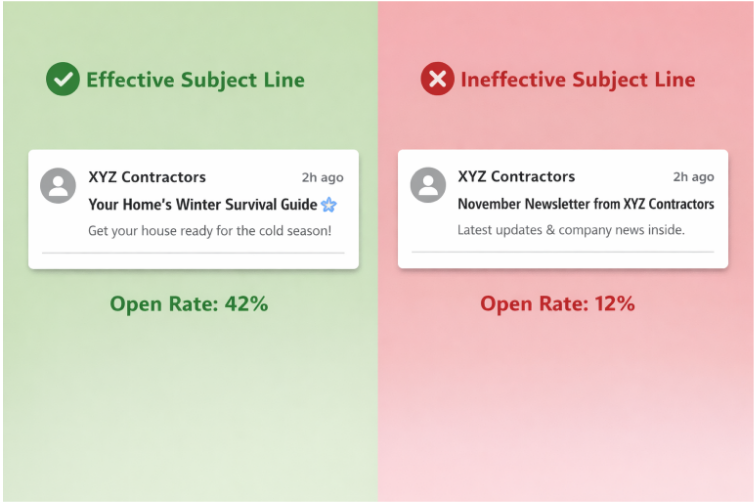
Your subject line determines whether subscribers open your newsletter or delete it unread. Effective subject lines create curiosity, promise specific value, or leverage timely relevance. “Your home’s winter survival guide” outperforms “November newsletter from XYZ Contractors.”
Keep subject lines under 50 characters so they display fully on mobile devices. Test different approaches and track which types generate the highest open rates for your specific audience.
Sending Frequency and Timing
Monthly newsletters hit the sweet spot for most contractors, providing enough frequency to maintain visibility without overwhelming subscribers. Bi-monthly can work for companies with less project activity or limited content creation capacity.
Send timing matters less than consistency, but Tuesday through Thursday mornings typically generate higher open rates than Monday mornings or Friday afternoons. Track your specific audience’s engagement patterns and adjust accordingly.
How Do You Build and Maintain Your Subscriber List?
A newsletter only converts if people actually receive it. Building a quality subscriber list requires strategic planning and ongoing maintenance to ensure deliverability and engagement.
Capturing Email Addresses Strategically
Every customer interaction creates an opportunity to build your newsletter list. Include a signup checkbox on proposal documents, contracts, and invoices. Add a prominent signup form to your website with a clear value proposition explaining what subscribers receive.
Offer a lead magnet like a free home maintenance calendar, seasonal checklist, or planning guide in exchange for email addresses. This creates immediate value while qualifying leads who are interested in home improvement content.
The connection to contractor branding becomes important here because your website and online presence must communicate professionalism and value before prospects will trust you with their contact information.
Segmenting Your List for Relevance
Not all subscribers have the same interests or needs. Segment your list based on factors like service type, project history, property type, or engagement level. This allows you to send more targeted content that increases relevance and engagement.
A client who recently completed a kitchen remodel probably doesn’t need kitchen renovation content for several years but might be interested in outdoor project ideas. Segmentation prevents content fatigue and maintains higher engagement rates.
Maintaining List Health and Compliance
Regularly clean your list by removing unengaged subscribers who haven’t opened emails in six months or more. This improves deliverability rates and provides more accurate engagement metrics. Make unsubscribing easy and respect those choices immediately.
Compliance with email marketing regulations like CAN-SPAM and GDPR protects your business legally and builds trust with subscribers. Include your physical address, honor unsubscribe requests promptly, and never purchase email lists.
What Content Themes Drive the Highest Engagement?
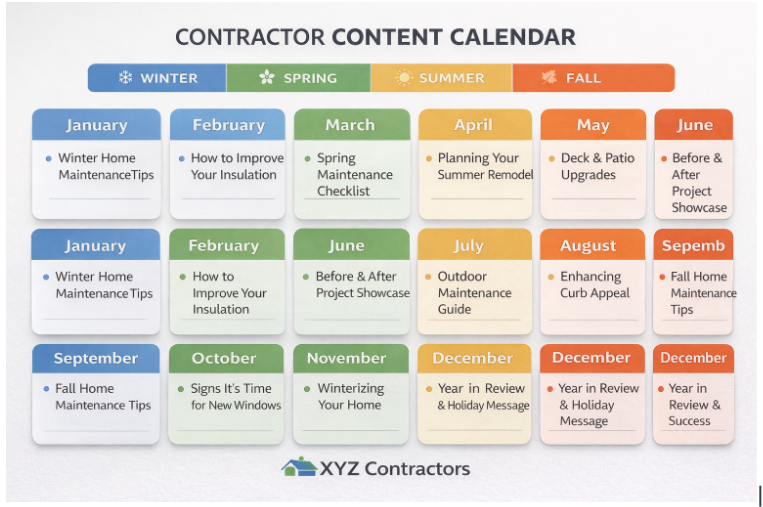
Certain content types consistently outperform others in contractor newsletters. Understanding these patterns helps you plan content calendars that maximize engagement and conversions.
Seasonal Content Creates Natural Urgency
Aligning newsletter content with seasons and weather patterns makes your advice immediately relevant and actionable. Spring newsletters can focus on exterior maintenance and outdoor projects. Fall content might emphasize winter preparation and indoor renovations perfect for cold weather.
This seasonal approach also creates natural rhythms for service promotions. A fall newsletter promoting furnace inspections or weatherization services feels timely rather than salesy.
Problem-Solution Frameworks Build Trust
Content that identifies common problems and provides clear solutions demonstrates expertise while helping readers improve their properties. “Three signs your roof needs replacement” or “How to identify foundation issues early” addresses real concerns homeowners have.
This approach mirrors effective writing contractor proposal strategies where addressing concerns preemptively builds confidence and reduces friction in the sales process.
Behind-the-Scenes Content Humanizes Your Brand
Occasional glimpses into your team, processes, or company culture create personal connections with subscribers. Introducing new team members, sharing certifications earned, or explaining your quality control process builds familiarity and trust.
Balance is important here because too much internal focus reduces newsletter value. Limit behind-the-scenes content to one brief section per newsletter, keeping the primary focus on subscriber value.
How Do You Measure Newsletter Performance and Optimize Results?
Creating newsletters without tracking performance wastes opportunities for improvement. Key metrics reveal what’s working and where adjustments could increase engagement and conversions.
Essential Metrics to Track Regularly
Open rate measures the percentage of subscribers who open your newsletter. Industry averages for contractors typically range from 20-25%, though this varies based on list quality and engagement history. Lower open rates often indicate subject line problems or sending frequency issues.
Click-through rate shows what percentage of readers click on links within your newsletter. This metric reveals whether your content and calls-to-action resonate with your audience. Track which specific links get the most clicks to understand what content types drive the most engagement.
Conversion rate measures how many newsletter recipients take your desired action, whether that’s scheduling consultations, requesting quotes, or referring friends. This ultimate success metric directly ties newsletter efforts to business results.
| Metric | Good Performance | Action if Below Target |
| Open Rate | 20-25% or higher | Test new subject lines, adjust send times |
| Click-Through Rate | 2-5% or higher | Strengthen CTAs, add more links, improve content relevance |
| Unsubscribe Rate | Below 0.5% | Reduce frequency, improve content value, segment list better |
| Conversion Rate | 1-3% or higher | Clarify offers, simplify conversion process, align content with CTAs |
Testing and Iteration for Continuous Improvement
A/B testing different elements reveals what resonates best with your specific audience. Test subject lines, sending times, content formats, CTA placement, and visual elements one variable at a time to isolate what drives improvements.
Small, consistent improvements compound over time. A 5% increase in open rates combined with a 3% improvement in click-through rates can significantly impact overall newsletter ROI over the course of a year.
What Tools and Platforms Work Best for Contractor Newsletters?
Choosing the right email marketing platform impacts both newsletter creation efficiency and delivery success. Several platforms cater specifically to small businesses with varying price points and features.
Essential Platform Features
Look for platforms that offer responsive templates, list segmentation capabilities, automation features, and comprehensive analytics. The ability to schedule sends in advance and create automated welcome sequences for new subscribers saves significant time.
Integration with your existing systems matters for efficiency. Platforms that connect with your CRM, website, or project management tools reduce manual data entry and ensure consistent information across systems.
Popular Platforms for Contractors
Mailchimp offers a free tier for smaller lists and intuitive design tools suitable for contractors without marketing backgrounds. Constant Contact provides excellent customer support and industry-specific templates. ConvertKit works well for content-focused strategies with strong automation features.
Most platforms offer similar core features, so choosing often comes down to user interface preferences, specific integrations needed, and pricing structures that align with your subscriber count.
How Does Newsletter Marketing Integrate with Your Broader Strategy?
Your newsletter shouldn’t exist in isolation but rather as one component of a comprehensive marketing approach. Integration with other channels multiplies effectiveness and creates multiple touchpoints with prospects and clients.
Connecting Digital Marketing Channels
Share newsletter content on social media to extend reach beyond subscribers. Repurpose newsletter articles as blog posts for your website to improve SEO and provide archives accessible to non-subscribers. Use newsletter insights to inform social media content strategy.
Understanding buyer psychology helps you craft newsletter content that addresses the underlying motivations and concerns that drive purchasing decisions, making your marketing more persuasive across all channels.
Supporting the Sales Process
Your newsletter nurtures leads who aren’t ready to commit immediately. Consistent valuable content keeps your business top-of-mind so when renovation needs arise, you’re the first contractor they think of. This patience often converts better than aggressive immediate sales approaches.
Sales teams can reference newsletter content when following up with prospects, using relevant articles as conversation starters or educational resources that demonstrate expertise without appearing pushy.
Frequently Asked Questions About Contractor Newsletters
What are the 6 basic rules in laying out a newsletter?
The six fundamental layout rules include using a single-column format for mobile optimization, maintaining consistent branding with colors and fonts, creating clear visual hierarchy through headings and spacing, incorporating white space to prevent overwhelm, placing calls-to-action prominently in multiple locations, and using high-quality images that load quickly. These principles ensure readability across devices and guide readers naturally toward conversion actions.
What is the 3 2 1 newsletter format?
The 3-2-1 format organizes content into three quick tips or insights, two relevant links or resources, and one clear call-to-action. This structure works particularly well for shorter, more frequent newsletters because it provides variety while remaining scannable and easy to digest. Contractors can adapt this by sharing three maintenance tips, two project showcases, and one service offer or consultation opportunity.
What are the 12 parts of a newsletter?
A comprehensive newsletter includes a recognizable header with branding, compelling subject line, preview text that appears in inbox listings, greeting or opening hook, table of contents for longer issues, feature article or main content, supporting sections like tips or showcases, visual elements including photos and graphics, testimonial or social proof, clear call-to-action, footer with contact information and social links, and unsubscribe option for compliance. Not every newsletter needs all twelve elements, but understanding these components helps create well-rounded content.
What is the best layout for a newsletter?
The best layout prioritizes single-column design for mobile compatibility, uses clear section breaks with descriptive headings, alternates text and visual content to maintain interest, places the most important content above the fold, and positions calls-to-action strategically throughout rather than only at the end. Inverted pyramid structure works well, starting with the most valuable information and progressing to supporting details, ensuring readers gain value even if they don’t finish the entire newsletter.
What are 5 elements of an effective newsletter?
The five essential elements include valuable educational content that helps readers solve problems or make better decisions, visual proof of expertise through project photos and results, clear calls-to-action that guide readers toward next steps, consistent branding that builds recognition and trust, and mobile-optimized design that ensures accessibility. When these elements work together cohesively, newsletters transform from informational updates into powerful conversion tools that generate measurable business results.
Start Converting Subscribers into Clients Today
Building a contractor newsletter that converts requires strategic planning, consistent execution, and ongoing optimization. The framework outlined above provides everything needed to create newsletters that maintain client relationships, demonstrate expertise, and generate steady referrals and repeat business.
Success doesn’t require perfection from your first newsletter. Start with the fundamentals outlined here, track your results, and continuously refine your approach based on what resonates with your specific audience. Even basic newsletters delivered consistently outperform sporadic, overly polished attempts that happen irregularly.
GC Sherpa helps contractors build comprehensive marketing systems that integrate newsletters with other growth strategies. From crafting compelling content to implementing automation that saves time, the right tools and guidance transform marketing from overwhelming obligation into manageable system that drives measurable results.
Your past clients represent your most valuable marketing asset because they’ve already experienced your quality firsthand. A strategic newsletter keeps you connected to this audience, turning satisfied customers into enthusiastic advocates who refer friends, hire you for additional projects, and leave positive reviews that attract new business.